





We assure you that you won’t be alone on your journey towards becoming your healthier self.


Women Wellness
8 Surprising Benefits Of Sesame Seeds For Pregnancy – Best Time to Eat & How to Have Them for Maximum Benefits



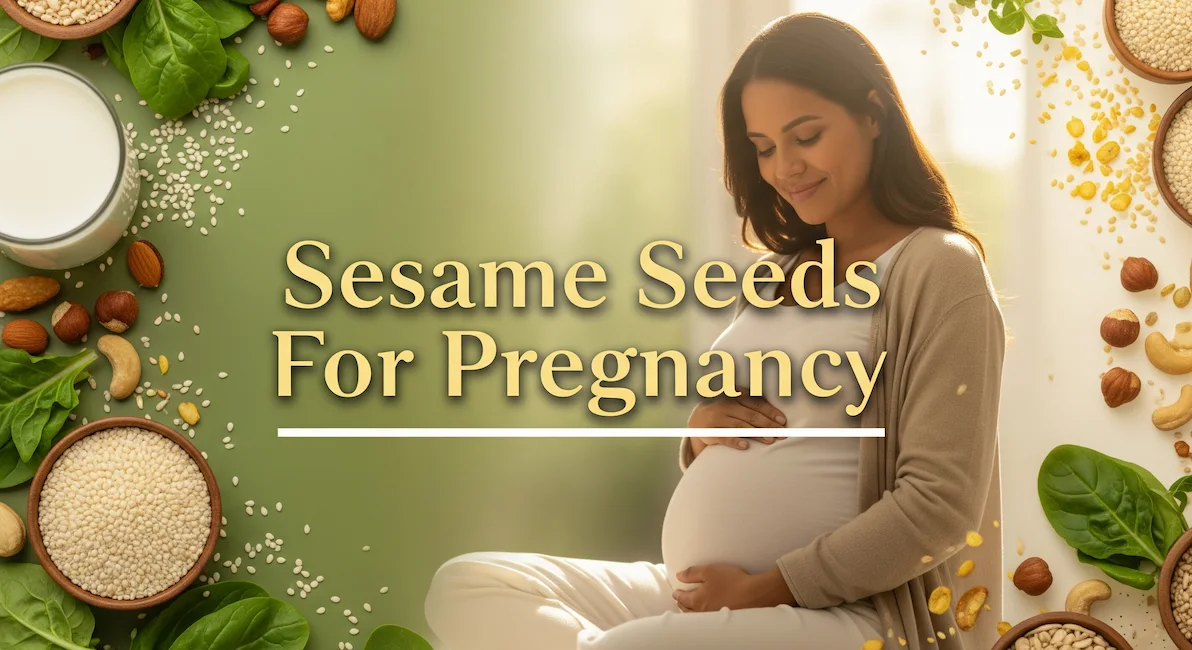
You know those tiny sesame seeds that sit quietly on burger buns or in your til laddoos? Turns out, they're quite the talk of the town during pregnancy. Some elders warn against them, calling them “garam,” while others swear they’re packed with nutrition for expecting mums. It’s easy to feel lost when opinions fly from all directions. Should you eat them? Should you avoid them? Let’s just say the truth lies somewhere in the middle—and it's not as complicated as it sounds.
Sesame seeds for pregnancy aren’t the villains they’ve been made out to be. In fact, when eaten the right way and at the right time, they can support your journey with strength, energy, and nourishment. This blog is your no-nonsense guide to understanding the real benefits of these seeds, busting the myths, and learning exactly when and how to eat them. Let’s clear the confusion once and for all!
Table Of Contents
- Should A Pregnant Woman Eat Sesame Seeds? 8 Must-Know Benefits of Sesame Seeds For Pregnancy
- What Is the Best Time to Eat Sesame Seeds During Pregnancy?
- Who Should Not Eat Sesame Seeds?
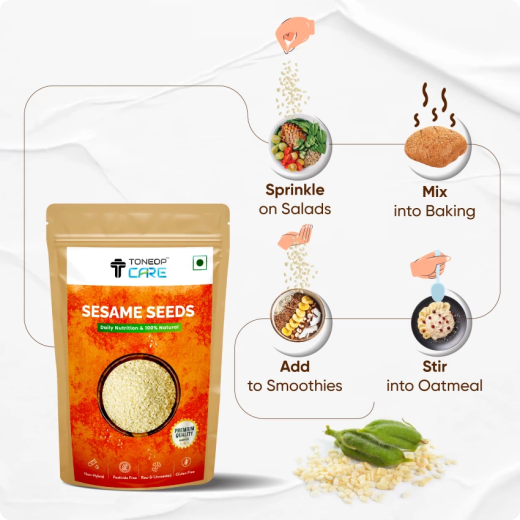
- How To Eat Sesame Seeds During Pregnancy?
- Dietitian’s Recommendation
- The Final Say
- FAQs
- References
Should A Pregnant Woman Eat Sesame Seeds? 8 Must-Know Benefits Of Sesame Seeds For Pregnancy
Pregnancy is a time when every bite matters, and choosing the right foods can go a long way in supporting both mother and baby. One such powerful addition to a pregnancy diet is sesame seeds for pregnancy. These tiny seeds are loaded with nutrients and offer a wide range of health benefits that make them ideal for expecting mothers.
Here are some of the well-known benefits of sesame seeds for pregnancy:
1. Rich Source Of Calcium
Calcium is crucial during pregnancy for developing strong bones and teeth in the baby while also maintaining the mother’s bone strength. Sesame seeds for pregnancy serve as one of the best plant-based sources of calcium during pregnancy, especially for women who are lactose intolerant or vegan. Just two tablespoons of sesame seeds can meet a considerable portion of daily calcium requirements, supporting foetal skeletal growth and preventing issues like muscle cramps, bone weakness, or even preeclampsia.
2. Contains Iron That Prevents Anaemia
Iron helps in producing haemoglobin, which carries oxygen to both the mother and the developing baby. Sesame seeds for pregnancy are a natural source of non-heme iron. Consuming them with vitamin C-rich foods like lemon or orange enhances iron absorption. Regularly including sesame seeds in your meals can help prevent anaemia, boost energy levels, and ensure proper oxygen flow, all of which are vital for a healthy pregnancy outcome.
3. Promotes Healthy Digestion
Digestive problems like constipation are common during pregnancy due to hormonal changes and the expanding uterus pressing on the digestive tract. Sesame seeds for pregnancy are high in dietary fibre, which supports smooth bowel movements and improves digestion. The natural oils present in sesame seeds also function as a mild laxative. Just a spoonful a day can help keep your gut regular, reduce bloating, and enhance overall digestive comfort.
4. Supports Fetal Development
Folate, or vitamin B9, is essential in early pregnancy, especially for the baby’s brain and spinal cord development. Sesame seeds for pregnancy are naturally rich in folate, which makes them a great addition during the first trimester. Adequate intake helps prevent neural tube defects such as spina bifida. This also helps clarify the difference between folate vs folic acid, as natural sources like sesame are folate-rich, offering better bioavailability.
5. Boosts Immunity
Pregnancy lowers the immune defence, making it easier to catch common infections. Sesame seeds for pregnancy contain antioxidants such as sesamin and sesamol, and minerals like zinc and selenium, which help strengthen the immune response. Adding these seeds to your diet daily can provide protective benefits for both mother and baby.
6. Good Source Of Healthy Fats
Essential fats are critical for the baby’s brain and nervous system development. Sesame seeds for pregnancy contain healthy unsaturated fats, particularly omega-6 fatty acids. These fats assist in foetal brain development, maintain hormonal balance, and enhance the absorption of fat-soluble vitamins like A, D, E, and K. Regular inclusion can also be useful when looking for magnesium-rich foods for pregnancy, as sesame seeds contain a good amount of magnesium alongside healthy fats.
7. Balances Hormones
Fluctuating hormone levels during pregnancy can lead to mood swings, fatigue, or sleep troubles. Sesame seeds for pregnancy contain lignans, natural plant compounds that support hormonal balance by modulating oestrogen levels. They work in harmony with other estrogen-rich fruits like pomegranates and dates to maintain emotional stability and physical comfort during pregnancy.
8. Reduces Inflammation
Inflammation in the joints, back, or legs is a common discomfort in pregnancy. Sesame seeds for pregnancy are packed with anti-inflammatory agents like sesamin, as well as magnesium and healthy fats that help soothe swelling and pain. Adding these seeds to your daily meals can offer natural relief from inflammation, body aches, and fatigue. This can also make them part of a well-balanced diet that supports general well-being and even contributes to sesame seeds for weight loss postpartum.
Also Read: 10 Health Benefits Of Avocado During Pregnancy For Morning Sickness, Prenatal Development And More
What Is the Best Time to Eat Sesame Seeds During Pregnancy?
It is believed that you can eat sesame seeds during pregnancy:
- First Trimester
Traditionally, some avoid sesame seeds early in pregnancy due to beliefs that they produce body heat. However, there’s no scientific evidence proving harm from moderate intake. If you have a high-risk pregnancy or past miscarriages, it’s better to consult a doctor. If healthy, a small amount (like one teaspoon occasionally) of sesame seeds for pregnancy is generally considered safe.
- Second and Third Trimester:
This is the most beneficial time to include sesame seeds for pregnancy in your diet. The need for calcium, iron, and essential fats increases as your baby grows. Two tablespoons daily can support bone strength, digestion, and immunity. You can include sesame seeds in meals as a powder, paste (like tahini), or roasted form to enhance nutrient absorption. You can also explore sesame seeds for calcium in more depth, especially if you’re looking to boost your calcium intake without relying solely on dairy.
Also Read: Top 9 Science-Backed Reasons To Add Sesame Seeds To Your Diet Plan
Who Should Not Eat Sesame Seeds?
Although sesame seeds for pregnancy are very nutritious, they may not suit everyone. Those with sesame allergies should completely avoid them, as reactions can include skin rashes, digestive discomfort, and even breathing difficulties.
Pregnant women with a high-risk pregnancy, or who have had miscarriages before, should be cautious in the first trimester—even though scientific evidence doesn’t show clear harm. Traditional medicine may still caution against it due to the belief that sesame generates internal heat.
People with gout or kidney stones should also limit sesame consumption, as the seeds are high in oxalates which can worsen such conditions.
And for women experiencing migraines or hormonal headaches, consider combining diet changes with period headache remedies to get complete relief.
How To Eat Sesame Seeds During Pregnancy?
You can have sesame seeds in the following ways:
Name | Why? | Instructions | How To Eat? |
| Dry Roasted Sesame Seeds | Roasting enhances taste and reduces anti-nutrients.
| Take 2 tablespoons of white sesame seeds, dry roast in a pan for 2–3 minutes on low flame until golden brown. | Sprinkle on salads, soups, or yoghurt to add crunch and nutrients. |
| Sesame Laddoos (Energy Balls) | A great source of calcium and iron. | Mix 1 cup roasted sesame seeds with ¾ cup melted jaggery and 1 tablespoon ghee. Roll into small balls and let cool. | Eat 1 laddoo daily as a snack in the second or third trimester.
|
| Tahini (Sesame Paste) | Rich in healthy fats and easy to digest. | Blend 1 cup roasted sesame seeds with 2 tablespoons olive oil into a smooth paste. | Use 1 tablespoon in salad dressings or spread on toast. |
| Sesame Powder | Easy to add to food and drinks. | Dry roast sesame seeds, grind into powder, and store. | Mix 1 teaspoon in warm milk or smoothies daily. |
Also Read: 6 White Sesame Oil Benefits for Health and Skin with Uses
Dietitian’s Recommendation
These tiny seeds are loaded with calcium, iron, healthy fats, and fibre—nutrients essential for fetal development and maternal health. Choose roasted or ground sesame for better digestion and absorption. Pair them with vitamin C-rich foods to boost iron uptake. Avoid excessive intake, particularly in the first trimester, if you have a sensitive pregnancy history. One to two tablespoons daily is generally safe.
Dt. Akshata Gandevikar
The Final Say
Sesame seeds for pregnancy can be a safe, nutritious addition when eaten smartly and in moderation. These tiny seeds bring along a wealth of calcium, iron, and fibre, which support bone health, digestion, and energy, especially when your body’s doing the beautiful work of growing a life. The key lies in knowing when and how much to consume. Timing your intake around the second and third trimesters with proper guidance makes a difference. Whether sprinkled on rotis or blended in chutneys, they can easily blend into your daily diet. Embrace sesame seeds for pregnancy as nature’s simple yet powerful offering for expecting mums.
FAQs
1. Can I eat black sesame seeds during pregnancy?
Yes, black sesame seeds are safe and even more nutrient-dense than white ones. They contain higher antioxidants and calcium. Use them in small amounts (1 tsp to 1 tbsp daily), preferably roasted or ground.
2. Can sesame seeds help with constipation during pregnancy?
Absolutely. Sesame seeds are high in dietary fibre and natural oils, which support smooth digestion and regular bowel movements. They can help relieve pregnancy-related constipation. Add them to your meals in roasted or powdered form.
3. Are sesame seeds good for a baby's development?
Yes, sesame seeds support fetal development by providing key nutrients like calcium for bones, folate for brain and spine development, and healthy fats for nervous system growth.
References
- https://www.babycenter.in/pregnancy/nutrition-and-weight-gain/is-it-safe-to-eat-sesame-til-seeds-while-you-are-pregnant_1023103
- https://mylofamily.com/article/sesame-seeds-in-pregnancy-benefits-effects-nutritional-value-206834?srsltid=AfmBOoop6SetH3w1b0k3hJYijaFDeeEsdqqz8lN15YYqea5kyZEs3Ai3#google_vignette
- https://parenting.firstcry.com/articles/sesame-seeds-in-pregnancy-nutrition-facts-health-benefits-more/
- https://stylesatlife.com/articles/sesame-seeds-during-pregnancy/
About ToneOp Care
ToneOp Care is the ultimate destination for high-quality nutraceutical supplements and Ayurvedic products in India! We are proud to offer a significant range of products designed to support your overall health and well-being, including weight loss, muscle gain, immunity, skin and hair care, and women's health. All our products are manufactured in India using the latest technology and facilities, ensuring the highest quality standards.