







We assure you that you won’t be alone on your journey towards becoming your healthier self.


Diet & Nutrition
Upgrade With These 6 Benefits Of Almonds For the Brain Memory To Sharpen Your Intellect Naturally!



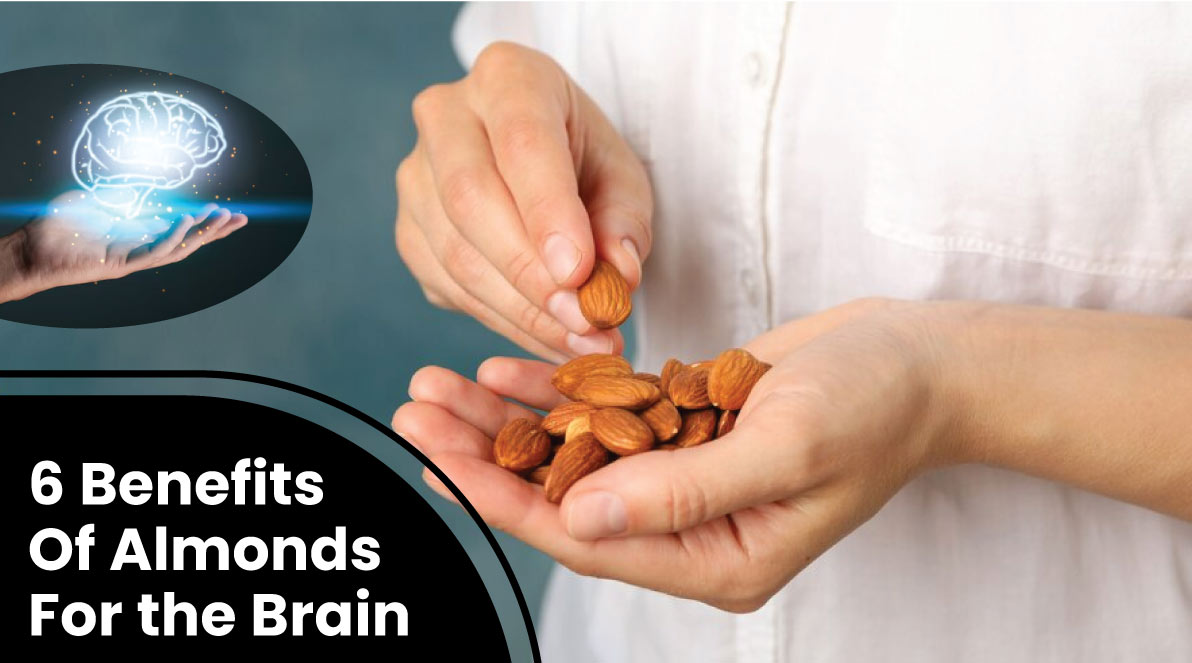

Forgetting where you kept your keys, struggling to stay focused at work, or feeling like your brain needs a little extra help to keep up with daily tasks are all signs of weak cognitive function. Many of us wish for sharper memory, better concentration, and a brain that stays active for years to come. The good news? You don’t need extreme diets to support your brain—sometimes, the solution lies in something as simple as almonds! These crunchy nuts are full of vitamin E, magnesium, riboflavin, and healthy fats that can boost memory, protect brain cells, and improve focus. The benefits of almonds for the brain offer a natural and easy way to give your mind the nourishment it deserves.
So, if you're looking for a smart upgrade to your daily routine, let’s explore how these six proven benefits of almonds for brain health to sharpen your intellect and take care of your cognitive function in the crunchiest way!
Table Of Contents
1. Is Almond Good For Brain Memory? 6 Benefits Of Almonds For The Brain
2. How Many Almonds Per Day? Key Nutrients & Ways To Consume
3. What Is The Most Powerful Brain Food?
4. What Are The Top 5 Nuts For The Brain?
5. The Final Say
6. FAQs
7. References
Is Almond Good For Brain Memory? 6 Benefits Of Almonds For The Brain
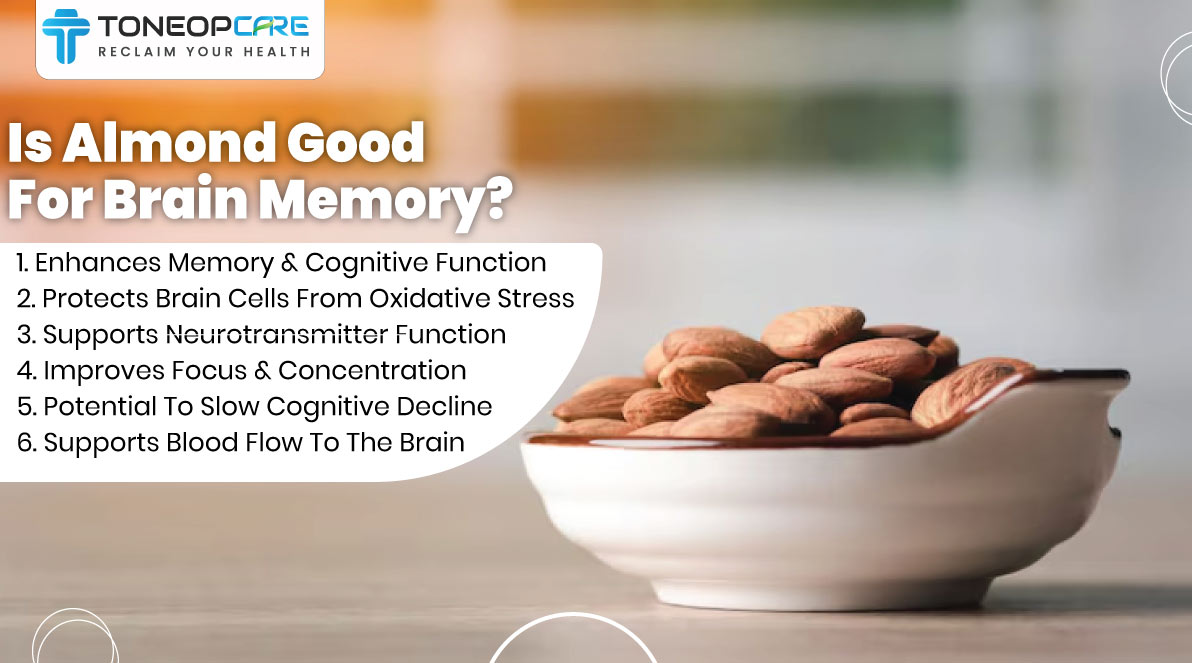
Yes, almonds are considered good for brain memory and offer transforming benefits for brain health. Let’s explore each proven benefit of almonds for the brain for better understanding:
1. Enhances Memory & Cognitive Function
Almonds offer powerful benefits of vitamin E, riboflavin (vitamin B2), and L-carnitine, which help boost memory and sharpen thinking. These nutrients support brain cell activity and improve the way your brain stores and recalls information.
Eating almonds regularly helps you remember things better and think more clearly, especially when you're studying or solving problems. The healthy fats in almonds also nourish brain cells and make them work efficiently. This is especially helpful for students and adults with mentally demanding jobs.
2. Protects Brain Cells From Oxidative Stress
Almonds contain a high amount of vitamin E and powerful antioxidants, which protect brain cells from damage caused by free radicals and oxidative stress. Radicals are harmful molecules that can speed up brain ageing and cause cell damage, but almonds help fight them.
The antioxidants in almonds act like a shield for your brain to reduce oxidative stress, keeping it healthy and strong even as you grow older. This protection reduces the risk of brain-related conditions like Alzheimer’s and dementia.
3. Supports Neurotransmitter Function
Neurotransmitters are chemicals in the brain that help send signals between nerve cells, and almonds help support their smooth functioning. Almonds provide magnesium and B vitamins, which are important for the production and activity of neurotransmitters like serotonin and dopamine.
These brain chemicals are linked to mood, alertness, learning, and mental clarity. If neurotransmitters are not balanced, it can lead to brain fog, anxiety, or low energy. Almonds help keep them working right, which makes your brain communication system strong and efficient.
For an extra boost, consider including ToneOp Care's Omega 3 Fish Oil Capsules 1000 mg. These capsules offer a concentrated dose of fish oil, rich in EPA and DHA, essential for hair care, heart health, brain function, and wellness. They also control blood pressure, prevent eye and skin ageing and increase bone density.
4. Improves Focus And Concentration
Almonds are a smart snack when you want to stay focused and alert for longer periods, especially during work or study. The protein, healthy fats, and magnesium in almonds give your brain a steady energy release without a sudden crash, unlike sugary snacks.
This stable energy keeps your mind active and helps you concentrate better without getting tired quickly. Almonds also help in balancing blood sugar levels, which means your brain gets the right amount of fuel to stay attentive.
Adding almonds to your morning meal or mid-day snack can make a noticeable difference in how well you stay focused throughout the day.
5. Potential To Slow Cognitive Decline
Regular almond consumption slows down the natural decline in memory and thinking ability that comes with ageing. The vitamin E and healthy fats in almonds protect the brain from damage and help maintain its function over the years.
Also antioxidants in almonds reduce the buildup of plaque in the brain that leads to memory loss conditions. These foods high in antioxidants, also support brain cell repair and reduce inflammation, which is key to keeping your mind sharp.
Older adults who eat almonds regularly may notice better memory retention and fewer signs of forgetfulness.
6. Supports Blood Flow To The Brain
Good blood circulation is essential for brain performance, and almonds help support this by promoting healthy blood vessels. They are rich in magnesium and healthy monounsaturated fats, which help reduce blood pressure and keep arteries flexible.
When blood flows well to the brain, it carries oxygen and nutrients that boost mental alertness and overall brain health. Improved circulation can also reduce the risk of stroke and brain fog. This benefit helps people of all ages, from students to seniors, stay mentally strong and energised.
Also Read: Top 10 Nutrient-Packed Foods To Boost The Brain Health
How Many Almonds Per Day? Key Nutrients & Ways To Consume
The recommended daily serving of almonds for adults is about 1 ounce, which is nearly 23 almonds. This amount provides a good balance of healthy fats, fibre, protein, vitamin E, and other essential nutrients without excessive calorie intake.
Some sources, particularly in India's traditional Ayurvedic practices, suggest consuming 2-5 soaked almonds per day. Soaking is believed to make them easier to digest and enhance nutrient bioavailability.
1. Key Brain-Boosting Nutrients In Almonds
- Vitamin E: A potent antioxidant.
- Magnesium: Important for nerve function and neurotransmitter activity.
- Riboflavin (Vitamin B2): Involved in energy production and brain function.
- L-carnitine: All these important type of nutrients helps improve memory.
- Healthy Fats (Monounsaturated and Polyunsaturated): Essential for brain health.
- Antioxidants (including flavonoids): Protect brain cells from damage.
- Zinc and Iron are important for cognitive function.
2. Ways To Consume Almonds For Brain Health
- Soaked Almonds: Soaking almonds overnight is believed to make them easier to digest and improve nutrient absorption.
- Raw or Roasted: Both forms offer benefits.
- As a Snack: A handful of almonds is a convenient and nutritious snack.
- Mixed into Meals: Add them to breakfast cereals, yoghurt, salads, or other dishes.
Note: Individual needs vary based on age, activity level, and overall diet. While almonds are healthy, moderation is key to avoid excessive digestive issues.
Also Read: 6 Benefits Of Pumpkin Seeds For Brain Health | ToneOpCare
What Is The Most Powerful Brain Food?
There isn't one single "most powerful" brain food, as a variety of nutrients contribute to brain health. However, fatty fish, particularly those rich in omega-3 fatty acids like salmon, trout, and sardines, are often highlighted as a top brain food.
Here's why fatty fish are considered so beneficial:
- High in Omega-3 Fatty Acids (DHA and EPA): These are crucial building blocks for brain cells, supporting their structure and function. DHA, in particular, is a major component of the brain.
- Improve Memory and Learning: Science suggests that omega-3s can enhance memory, learning abilities, and overall cognitive function.
- Protect Against Cognitive Decline: Regular consumption of fatty fish is linked to a lower risk of age-related mental decline and conditions like Alzheimer's disease.
- Offers Anti-inflammatory Properties: Omega-3s have anti-inflammatory effects, which can protect the brain from damage.
Also Read: 10 Healthy Chironji Seed Benefits & Tips To Include Them In Your Diet
What Are The Top 5 Nuts For The Brain?
Fueling your focus and memory starts with what you eat, and these five nuts are nutritional powerhouses specifically beneficial for brain health.
Nut | Key Brain-Boosting Nutrients | Brain Health Benefits |
Walnuts | Omega-3 fatty acids (ALA), antioxidants (polyphenols), vitamin E, vitamin B6, serotonin | Improve brain function, slow age-related mental decline, support mental health, reduce neurodegenerative diseases, and benefit memory and thinking skills. |
Almonds | Vitamin E, magnesium, riboflavin, L-carnitine, phenylalanine | Enhances memory and cognitive function, protects cells from oxidative stress, supports nerve function, and delays cognitive decline. |
Pistachios | Vitamin B6, lutein, zeaxanthin, antioxidants, melatonin | Support brain function by aiding neurotransmitter production, improving blood flow, protecting against cellular damage, and aiding in focus and sleep regulation. |
Cashews | Magnesium, zinc, iron, copper, vitamin E, B vitamins, tryptophan | Enhances nerve signalling, contributes to mental wellness, and improves oxygen flow to the brain. |
Pecans | Vitamin E, choline, antioxidants, monounsaturated fats, omega-3 acids, zinc, copper | Protect against motor neuron degeneration, support brain growth and cognition, possess anti-inflammatory properties, and contribute to brain health. |
Also Read: 8 Benefits Of Soaked Almond For Females - ToneOp Care
The Final Say
So, eating almonds regularly can be a simple and tasty way to give your brain a boost. They're packed with good nutrients that help protect your brain cells and can make your memory work a little better. Think of them as small, crunchy helpers for keeping your mind sharp and healthy. Just remember that eating a variety of healthy foods is always the best way to keep your brain in top shape!
FAQs
1. Which fruit is best for the brain?
Berries, like blueberries and strawberries, are great for your brain. They have special stuff called antioxidants that help protect brain cells and can make your memory better.
2. What should I eat for brain memory?
Eat a mix of healthy foods. Things like fatty fish (like salmon), nuts (like almonds and walnuts), seeds, and colourful fruits and veggies are all good for your brain and memory.
3. How do I improve my memory?
Try doing things that challenge your brain, like puzzles or learning new skills. Getting enough sleep, exercising, and managing stress also help your memory work better.
4. Do almonds sharpen your brain?
Yes, almonds can be good for your brain. They have vitamins and healthy fats that help your brain work well and might make your memory a bit sharper over time.
References
- https://pubmed.ncbi.nlm.nih.gov/33448906/
- https://www.1mg.com/articles/web-stories/7-brain-benefits-of-soaked-almonds-walnuts/?srsltid=AfmBOop1CQ1uVnBIUi0GgyYkbuR0o47-XVIUADvdzURCLCRfSE-UAPFX
- https://www.medanta.org/patient-education-blog/10-incredible-health-benefits-of-soaked-almonds-why-you-should-eat-them-daily
- https://www.medicalnewstoday.com/articles/could-eating-more-nuts-help-boost-memory-later-in-life
- https://www.uclahealth.org/news/article/diet-rich-in-fatty-fish-good-for-cognitive-function
- https://arigafoods.com/blogs/health-food-taste/how-many-almonds-to-eat-per-day-for-the-brain-health?srsltid=AfmBOoqcuYQmVAZUbLhDjlrR4lLQNNjYtivv6etgk9p34fwEVim65xu-
- https://www.truvitals.in/blogs/health-tips/can-eating-almonds-daily-really-help-in-boosting-brain-health?srsltid=AfmBOop77U2VEJeIypKWoVGpTnlQewhknURT76ZSCLT5SEggpYvNu5s3
About ToneOp Care
ToneOp Care is the ultimate destination for high-quality nutraceutical supplements and ayurvedic products in India! We are proud to offer a significant range of products designed to support your overall health and well-being, including weight loss, muscle gain, immunity, skin and hair care, and women's health. All our products are manufactured in India using the latest technology and facilities, ensuring the highest quality standards.